Skip Story
our-story-text

Our beginning was not recent
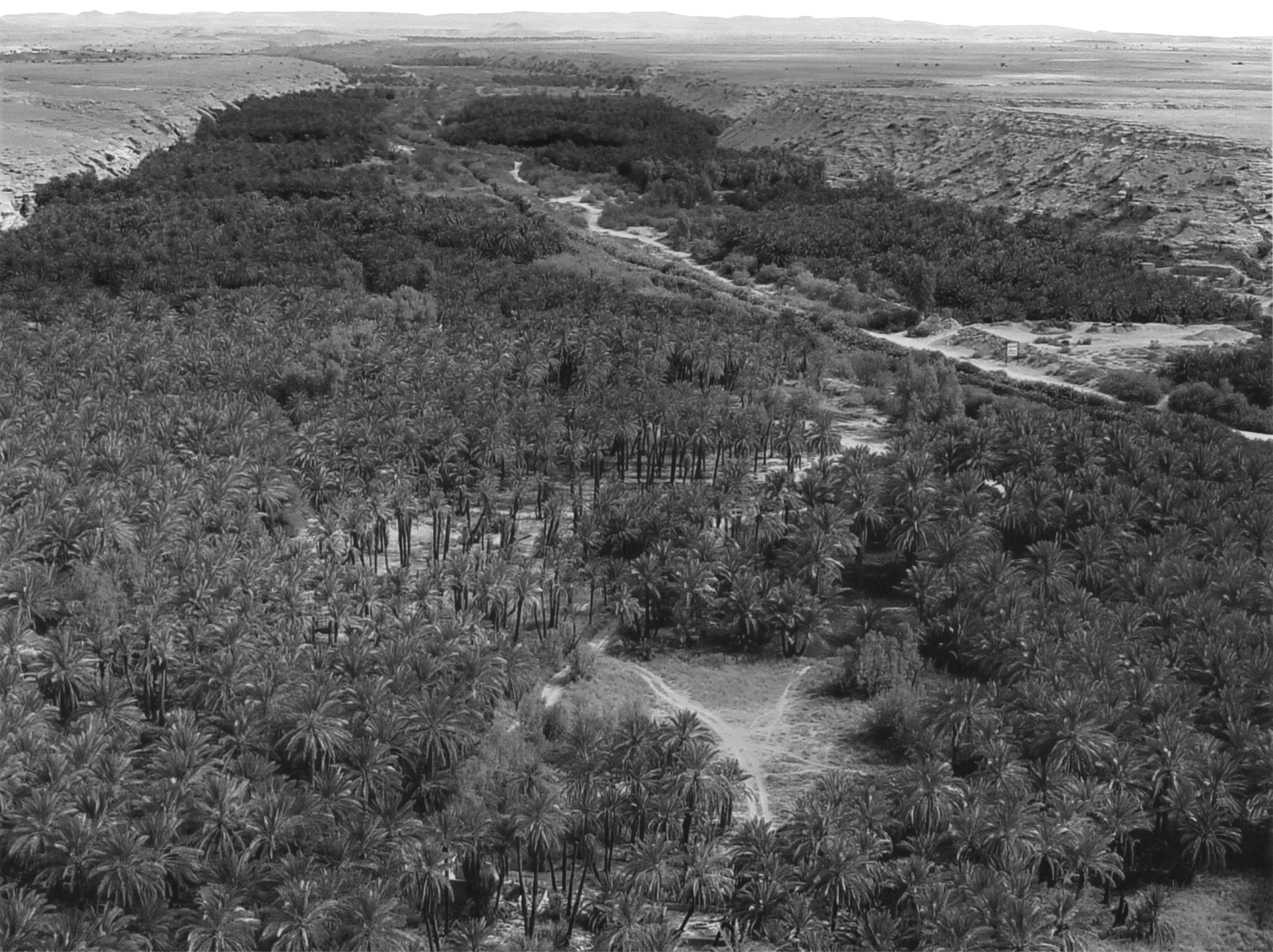
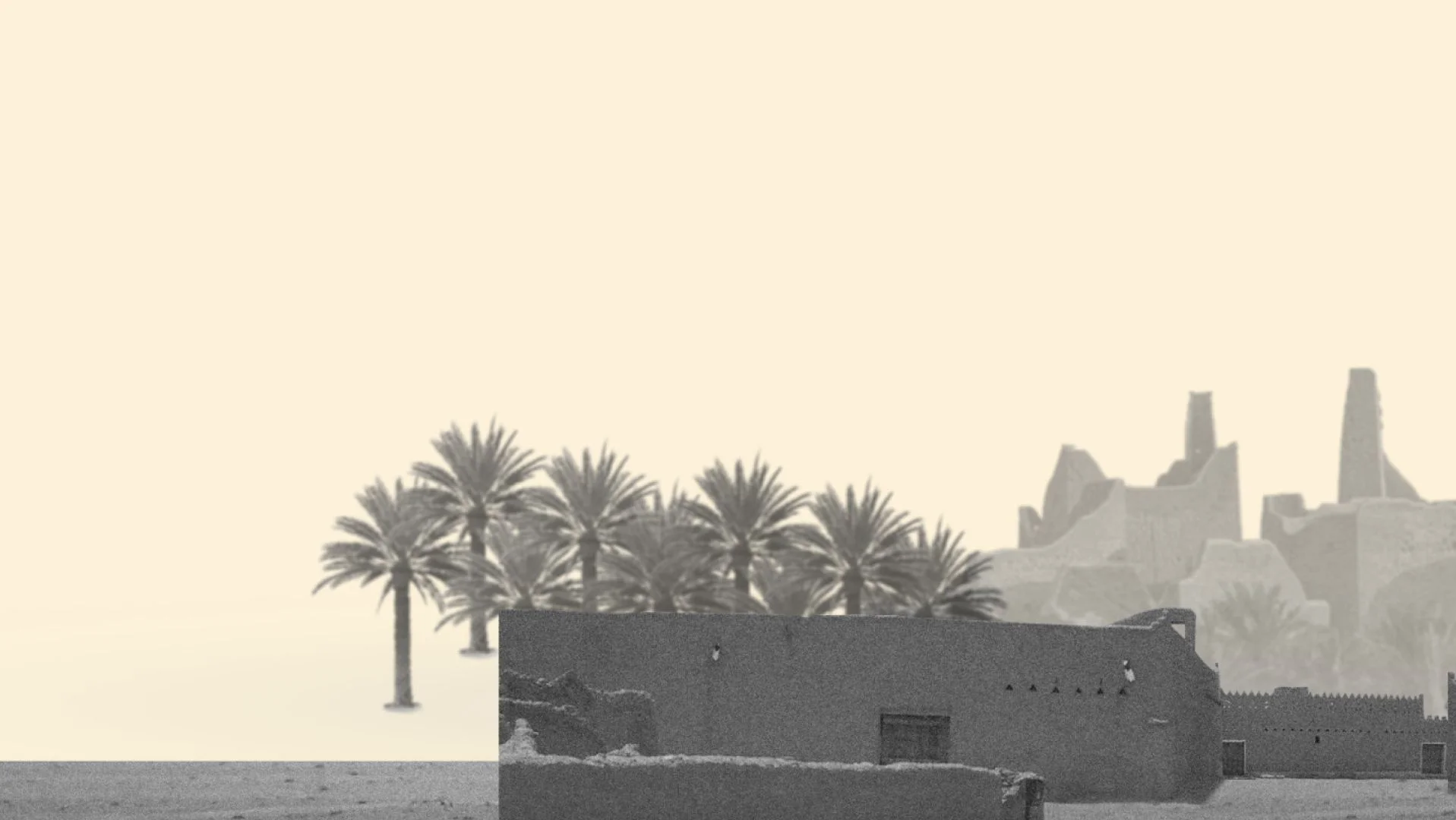
It goes back to the pre-Islamic era, when the Banu Hanifa tribe arrived in Al-Yamamah at the beginning of the fifth century. They settled in the center of the Arabian Peninsula, where they founded Al- Yamamah, which was based in Al-Aridh region on the banks of Wadi Hanifah in Najd and later became a part of the Prophet's State after the advent of Islam.


cloud3-center-topcloud1-leftcloud2-rightstory1-fore-bg-minnewbg-2024newbgright-2024newbg-mobile-2

This lasted until the middle of the 9th Hijri century, specifically 1446AH/850 CE, when Prince Mani' ibn Rabi'a al-Muraydi returned to Central Arabia to follow in the footsteps of his ancestors, "Banu Hanifa." The prince's arrival represented the first step to laying the foundation of the first Saudi State when he established the Second town of Diriyah (which merged the neighborhoods of Ghasyba and Al-Mulaybeed) as a city capable of expansion and full of security and stability. It differs from Ad-Diriyah where they had settled, located near Al-Qatif in the Arabian Peninsula's east.

After more than 280 years of successive rule of the Emirate of Diriyah by Mani' al-Muraydi's sons and grandsons, the region was prepared for a new era when Imam Muhammad bin Saud became the ruler of Diriyah in the middle of 1139 AH (February 1727CE). Imam Muhammad transformed Diriyah from a state of weakness and division to unity and political independence, establishing the First Saudi State, with Diriyah as its capital.
froundground3Mobilebg3dancepng3foreground3rightMobile3

Imam Muhammad bin Saud bin Muhammad bin Muqrin was born and raised in Diriyah in 1679 CE (1090 AH). He witnessed and participated in the events of his father's and grandfather's reigns over Ad Diriyah Emirate, which provided him with governing experience and knowledge of the region's conditions. He achieved his ambition to rule a stable and prosperous state due to his vision and determination.

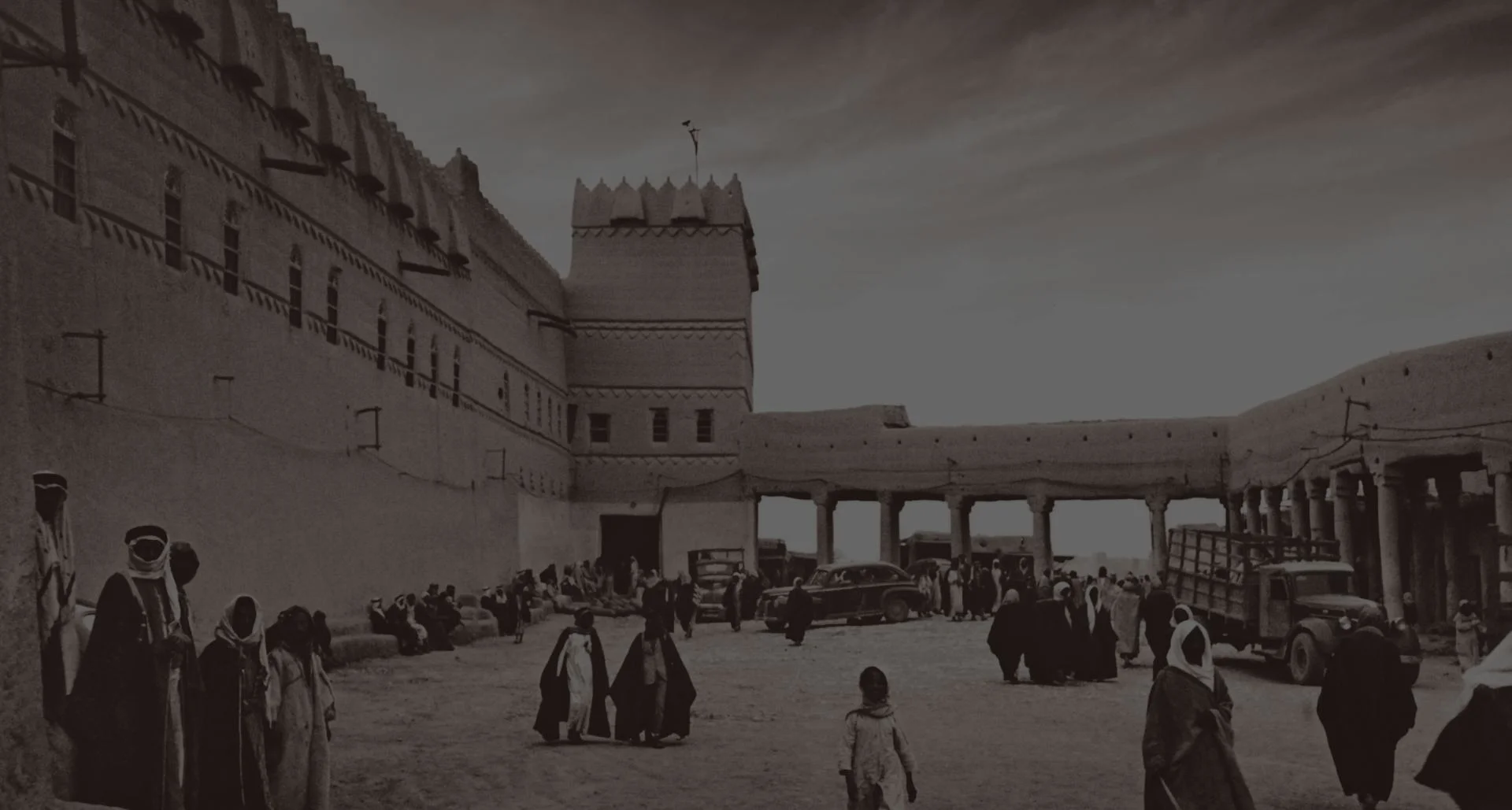
When Imam Muhammad bin Saud became the ruler of the First Saudi State, he endeavored to bring unity to the region by ensuring peace and within Diriyah and the surrounding towns and tribes and protecting trade and pilgrimage routes. He also regulated and expanded the State's economic affairs and fortified the walls of Diriyah. Following that, the State set out to unify the regions of Najd during the initial phase of the First Saudi State’s unification, which was completed during the reigns of his sons and grandsons.

wall2Mobileour-story
Back to the story
mute-only
flaggyflag

The Founding Day

King Salman bin Abdulaziz Al Saud, the Custodian of the Two Holy Mosques, issued a Royal Decree to commemorate the founding day annually on February 22nd, which represents the Kingdom of Saudi Arabia's deep historical, civilizational, and cultural roots when Imam Muhammad bin Saud established the first Saudi state in 1139 AH / 1727 CE.

Founding Day Objectives

Honor the solid roots of the Saudi State.

Honor the strong bond between citizens and their leadership.

Honor the accomplishments of the Saudi State in terms of unity, stability, and security.

Honor the First Saudi State's resilience and defense against enemies.

Honor the continuity of the Saudi State and the restoration of its roots and leadership.

Honor the national unity of Saudi Arabia, which King Abdulaziz bin Abdul Rahman Al-Faisal Al Saud established.

Honor the kings' - King Abdulaziz's sons' - achievements in promoting unity and development.

Founding Book

Download

Brand Guide

Click here
Fashion Guide image

Fashion Guide

Download

Culinary Guide

Download

It is a national occasion to commemorate the founding of the Saudi State by Imam Muhammad bin Saud started three centuries ago, as the Imam established a political entity that achieved unity, stability, and prosperity. On that day, Diriyah became the capital of the first Saudi State.

The Founding Day commemorates the three centuries of the existence of the Saudi State, highlighting its historical and civilizational depth, celebrating its diverse cultural heritage, and expressing devotion to the imams, kings, and citizens who serve the nation.

Imam Muhammad bin Saud assumed power in Diriyah in the second half of the year 1139 AH. Therefore, Jumada II 30, 1139 AH (February 22, 1727 CE) had been selected as the date for the founding of the first Saudi State.

The Founding Day, February 22, 1727 CE, is the day for the founding of the first Saudi State (the founder, Imam Muhammad bin Saud). However, the National Day, September 23, 1932 CE, is the day for the declaration of Saudi Arabia's unification at the hands of the unifier King Abdulaziz bin Abdul Rahman Al-Faisal Al Saud, may Allah rest his soul.

faq-iconsfaq-icons

يوم التأسيس السعودي

2025 © Saudi Founding Day

dga-signaturemoc-white
instagramtwitteryoutube_icon